Read the conditions
Sun, shade, soil, moisture, snow load, salt, deer pressure, and winter exposure determine which plants can genuinely thrive.
 ELZOLandscape · Design + BuildBook a consultation ↗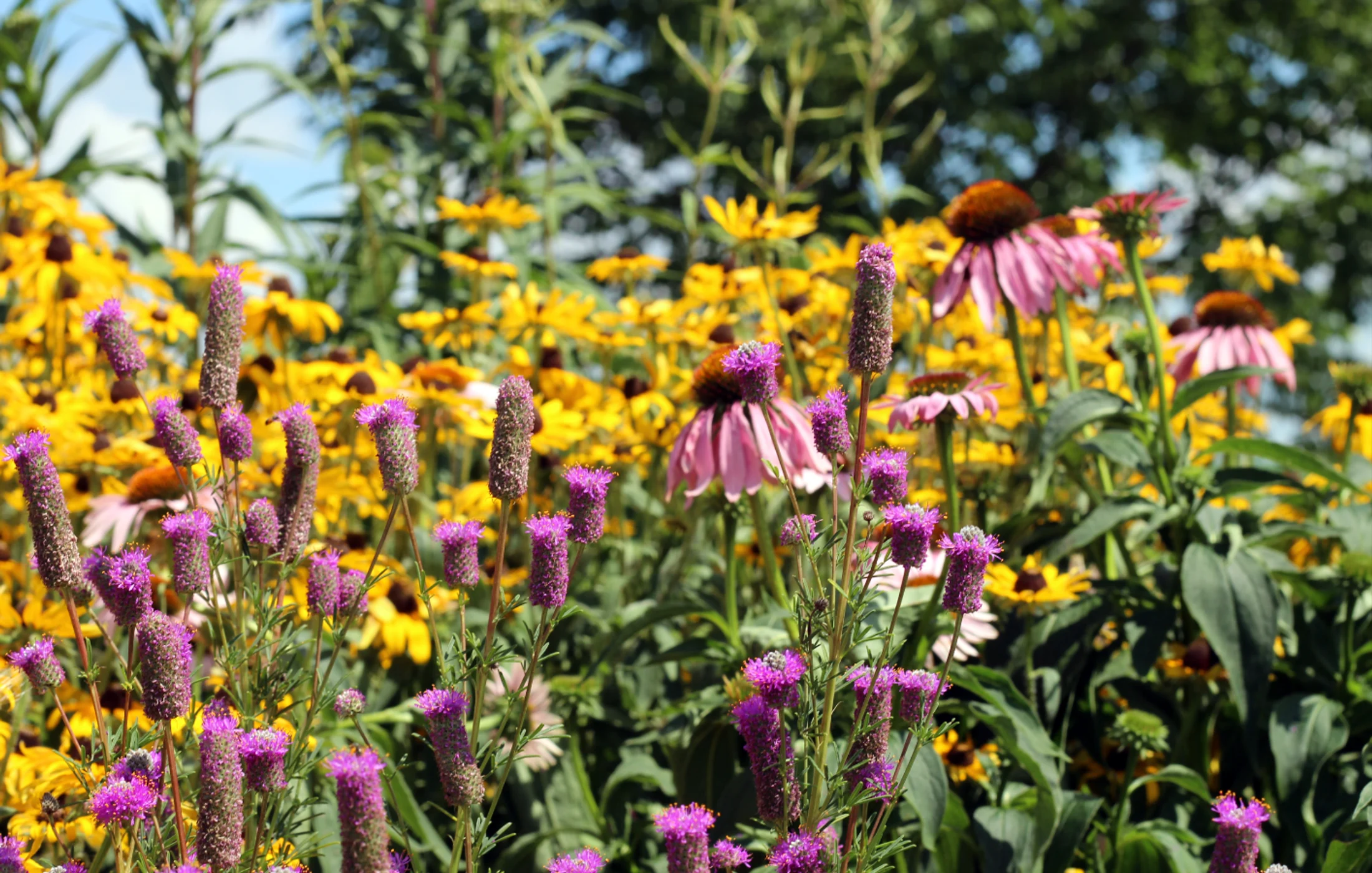
Native planting + gardens
The best Minnesota gardens feel generous, layered, and alive—not fussy. We combine native and climate-adapted plants around the home, the light, the soil, and the way you want to care for the space.
Walk the property with usHow Elzo approaches the work
Sun, shade, soil, moisture, snow load, salt, deer pressure, and winter exposure determine which plants can genuinely thrive.
Trees and shrubs give the garden bones; grasses, sedges, and repeated perennial drifts create rhythm, habitat, and long seasonal interest.
Seed heads, bark, branching, evergreen structure, and spring emergence keep the landscape interesting long after summer flowers fade.
Minnesota garden directions
A native-forward landscape does not have one look. It can be bright and prairie-like, soft and meadowy, or quiet beneath mature trees.
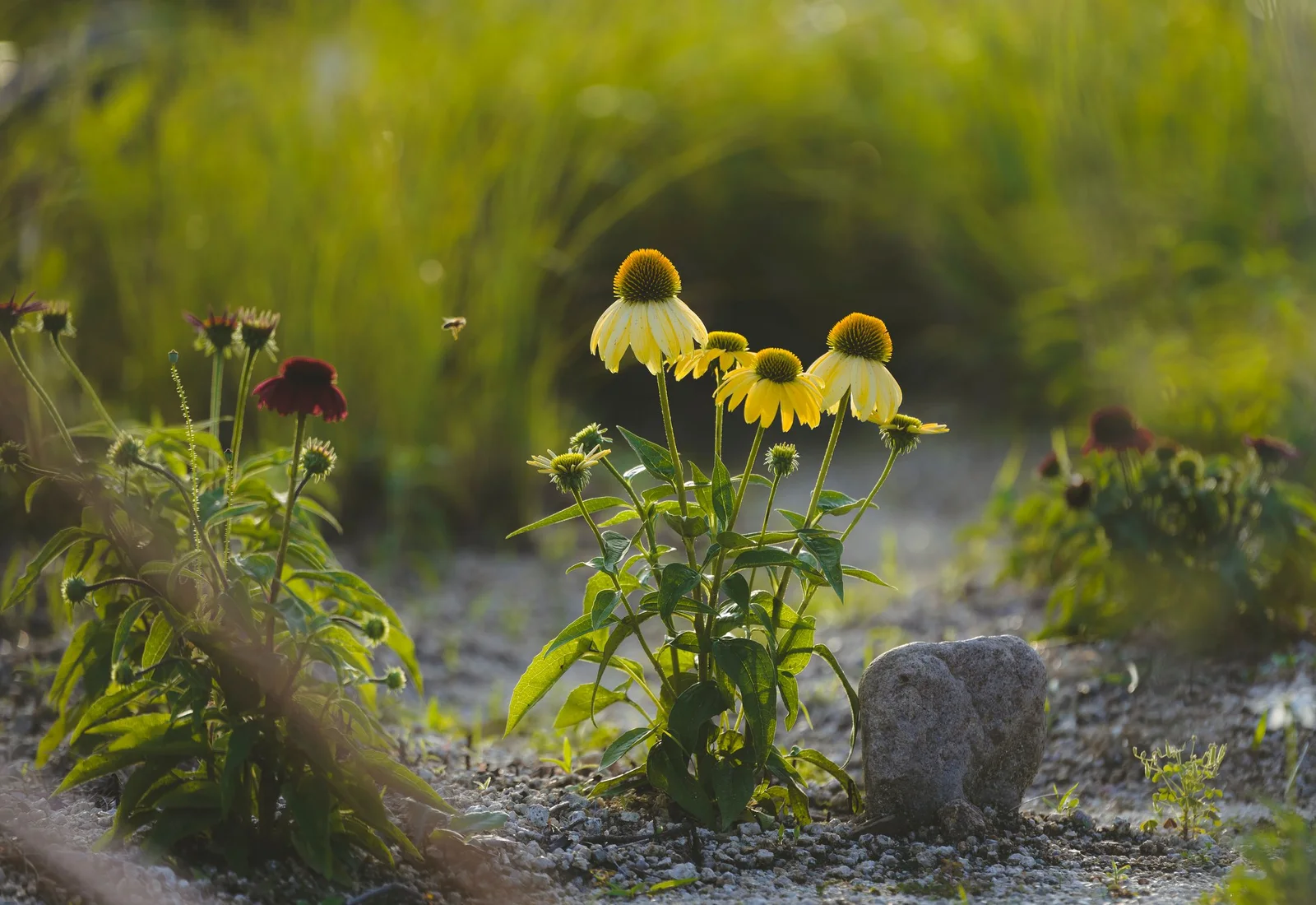
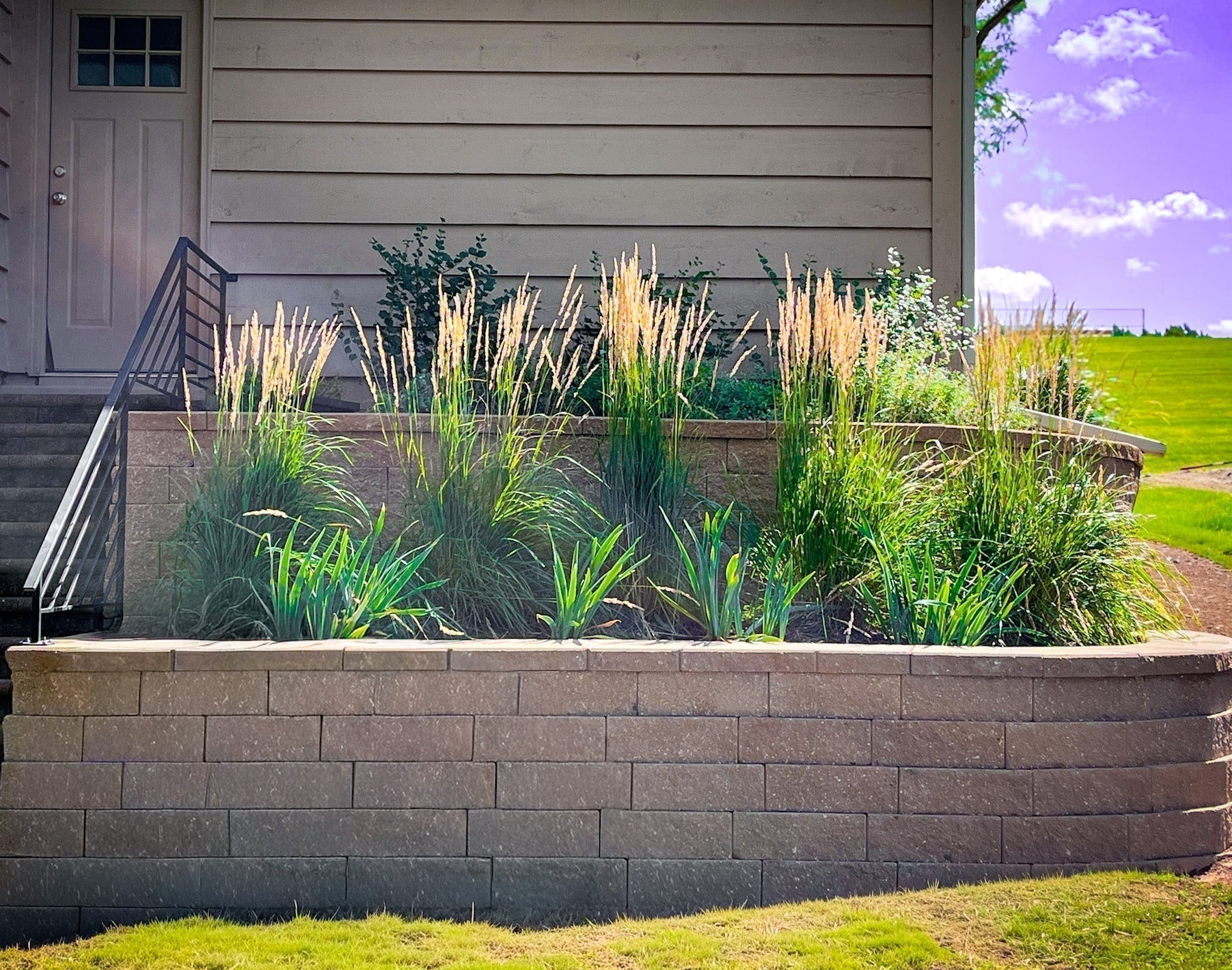
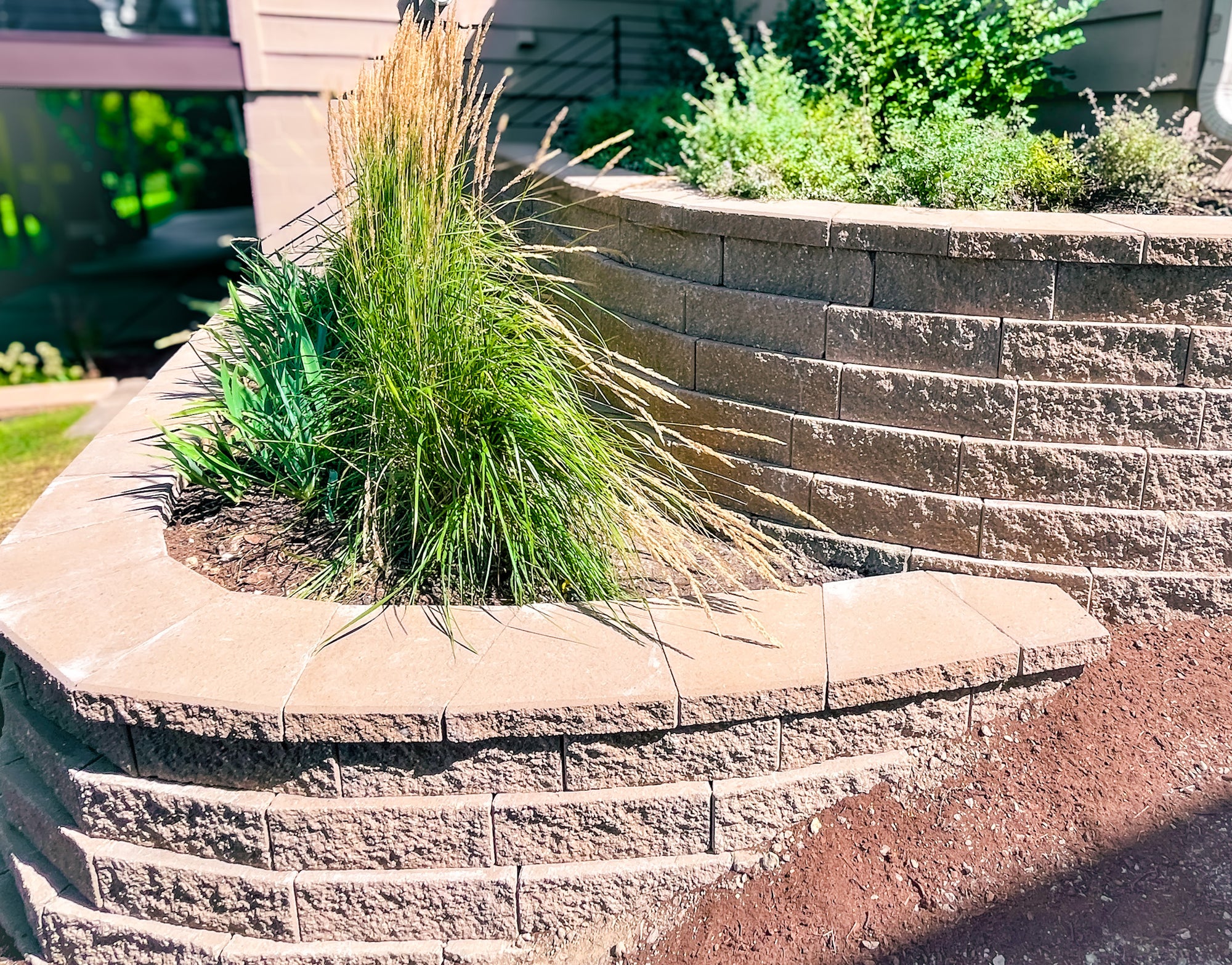
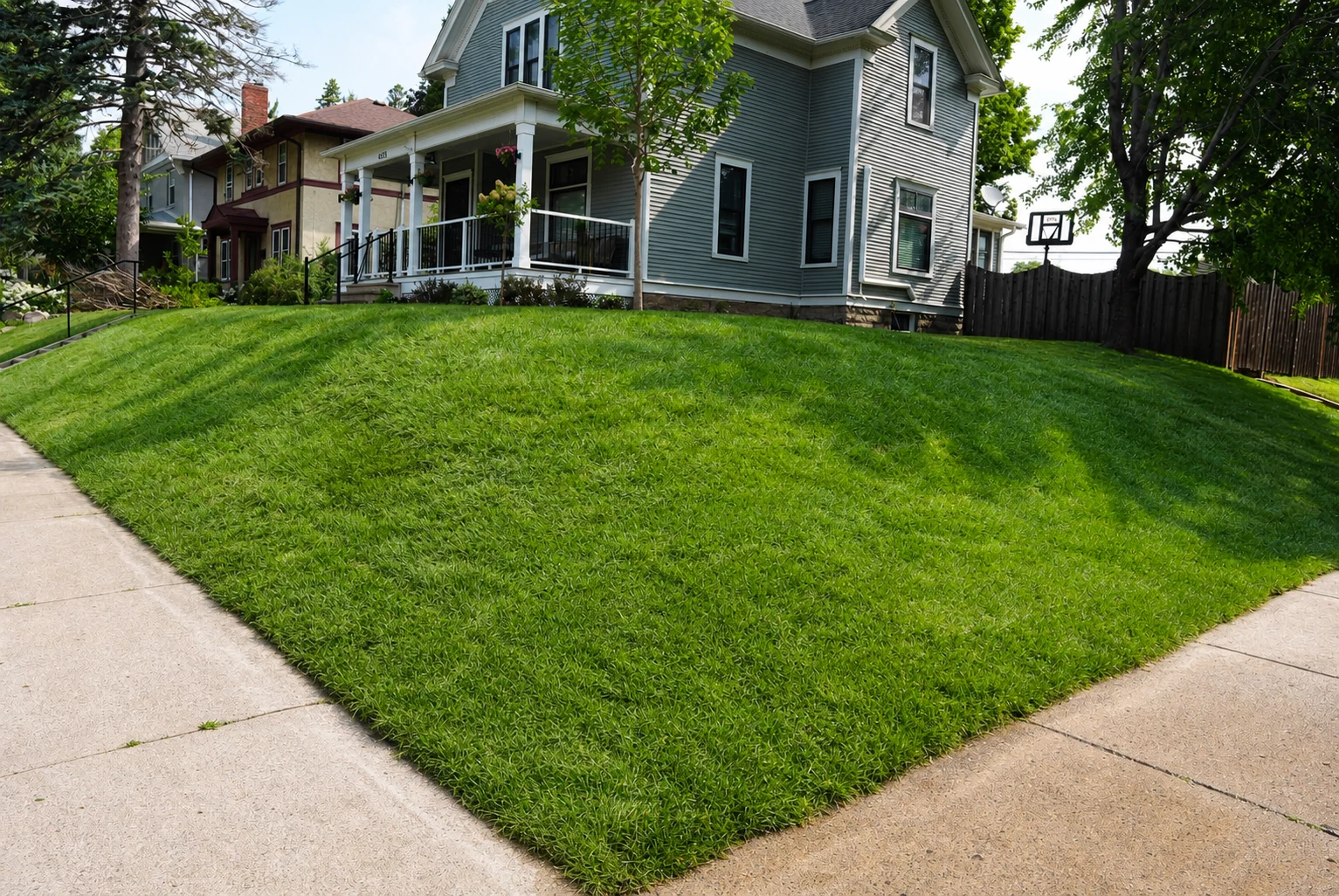
Coneflowers, warm-season grasses, blazing stars, asters, and goldenrods can create long bloom, winter structure, and strong pollinator value.
Reference · 정규송 Nui MALAMA / Pexels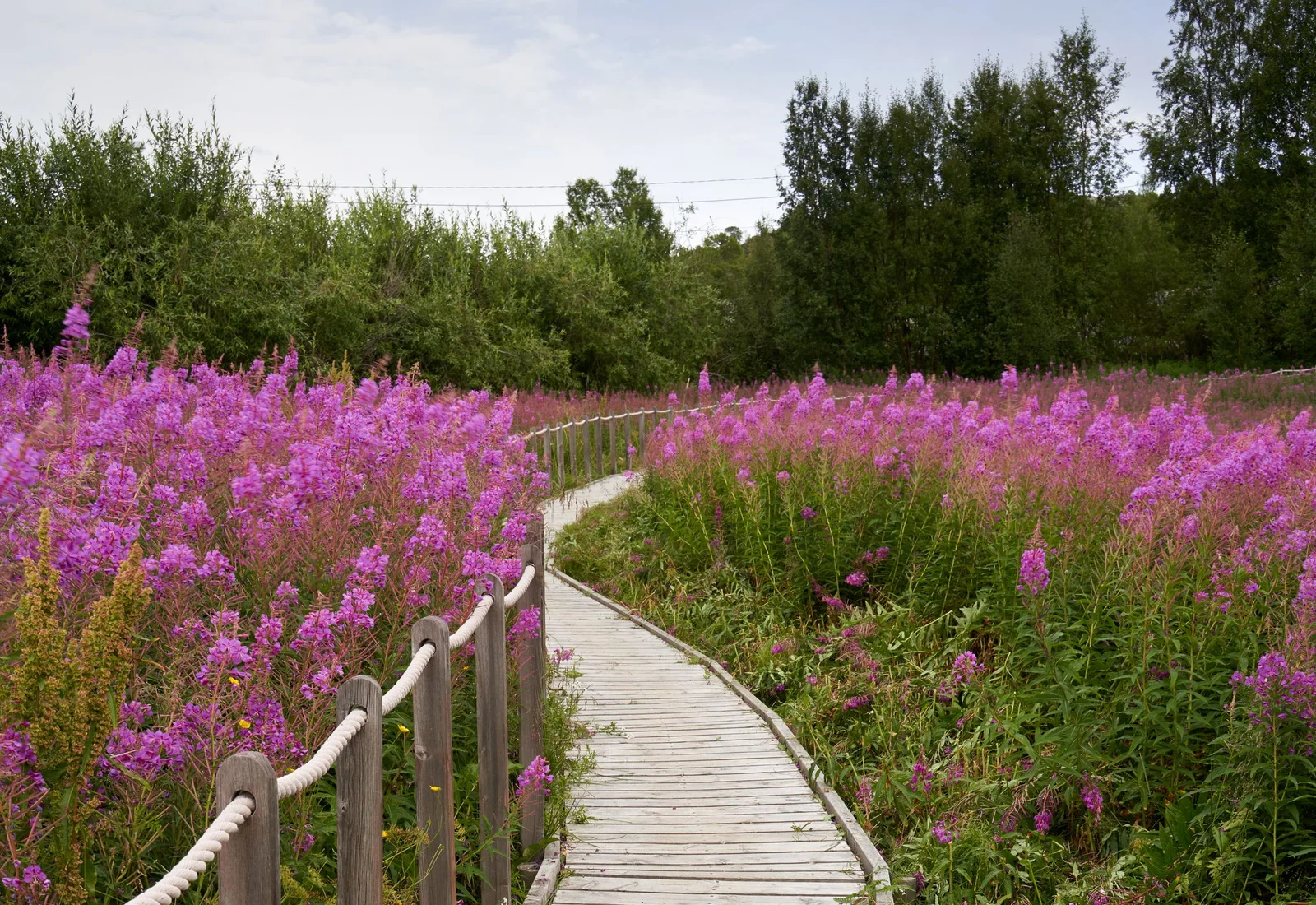
Larger drifts and a clear path let taller perennials move naturally while the garden still reads as intentional and inviting.
Reference · Barnabas Davoti / Pexels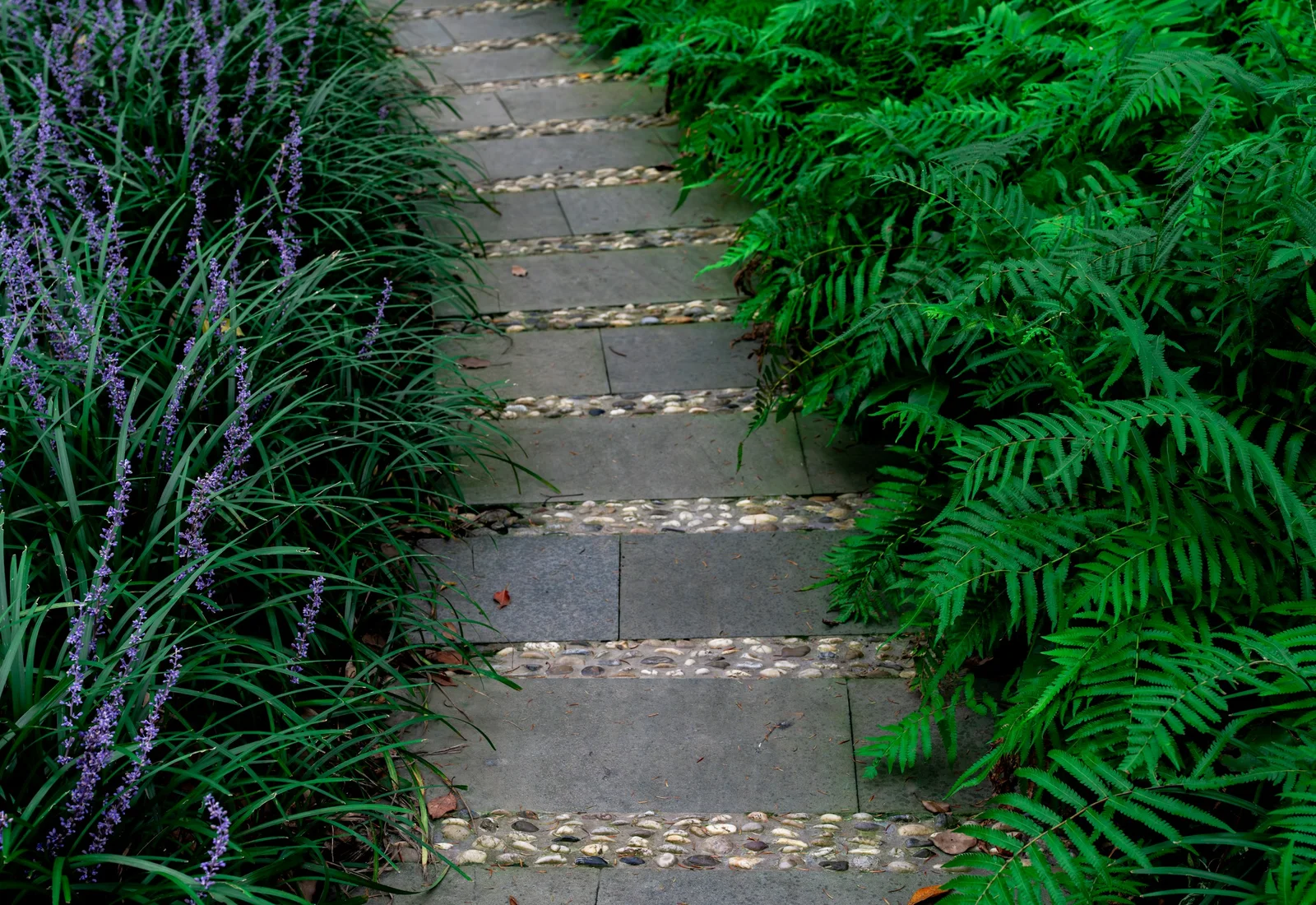
Ferns, sedges, woodland perennials, and restrained repetition can turn a difficult shaded side yard into one of the calmest parts of the property.
Reference · Declan Sun / UnsplashReference images show planting character and composition. Elzo selects the actual plant palette for the property’s light, soil, moisture, maintenance goals, and Minnesota hardiness.
Project scope
Before we build
Yes. Elzo can build the palette around regionally native plants, or blend natives with well-behaved climate-adapted plants when the architecture, site conditions, or desired look call for it.
Absolutely. Repetition, clear bed lines, layered heights, defined paths, and a limited plant palette give a naturalistic garden structure without making it feel rigid.
No garden is maintenance-free. Once established, a well-matched native planting can reduce irrigation and inputs, but it still benefits from seasonal cutting, editing, weeding, and occasional division.
Yes. Bloom sequence, host plants, seed heads, shelter, water, and reduced chemical use can all be considered so the garden supports more life through the season.
Yes. Planning planting with grading and hardscape creates cleaner elevations, healthier soil, and a garden that feels integrated instead of added afterward.
Where we work
A better first step
Bring the wish list, the water problem, the worn-out patio, or the yard that never quite worked. We’ll help you understand what belongs in the plan.
Book an on-site consultation